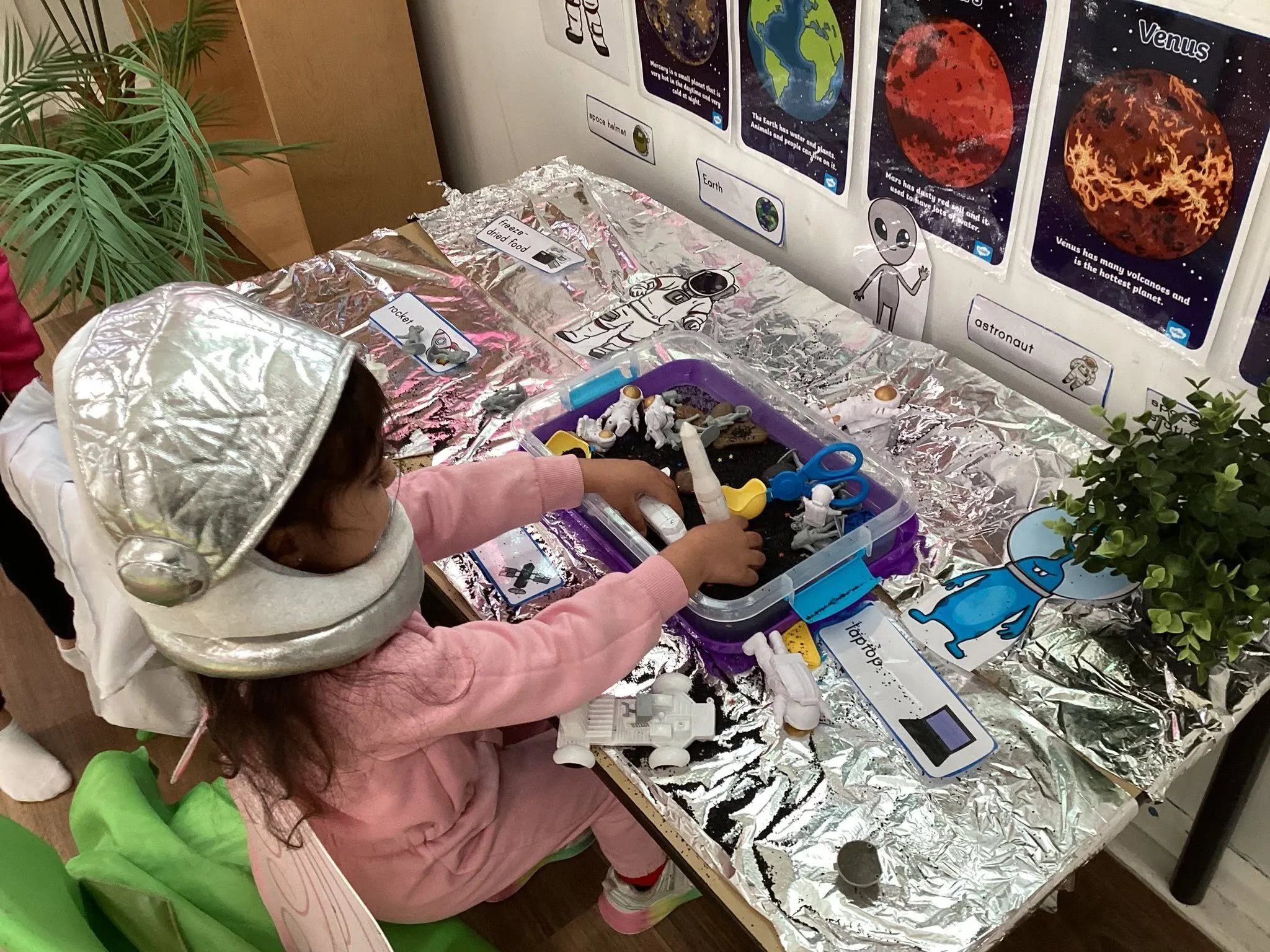
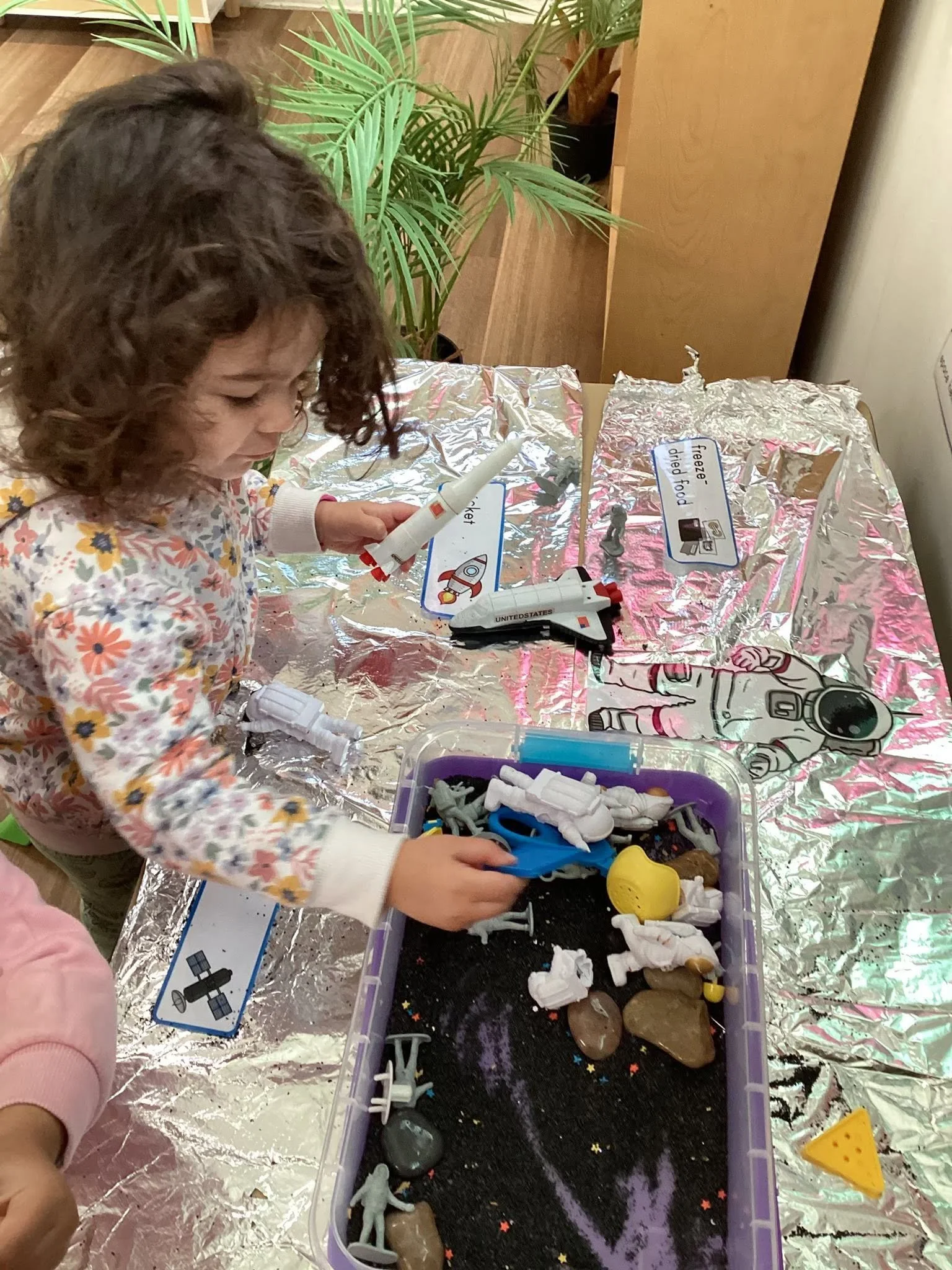
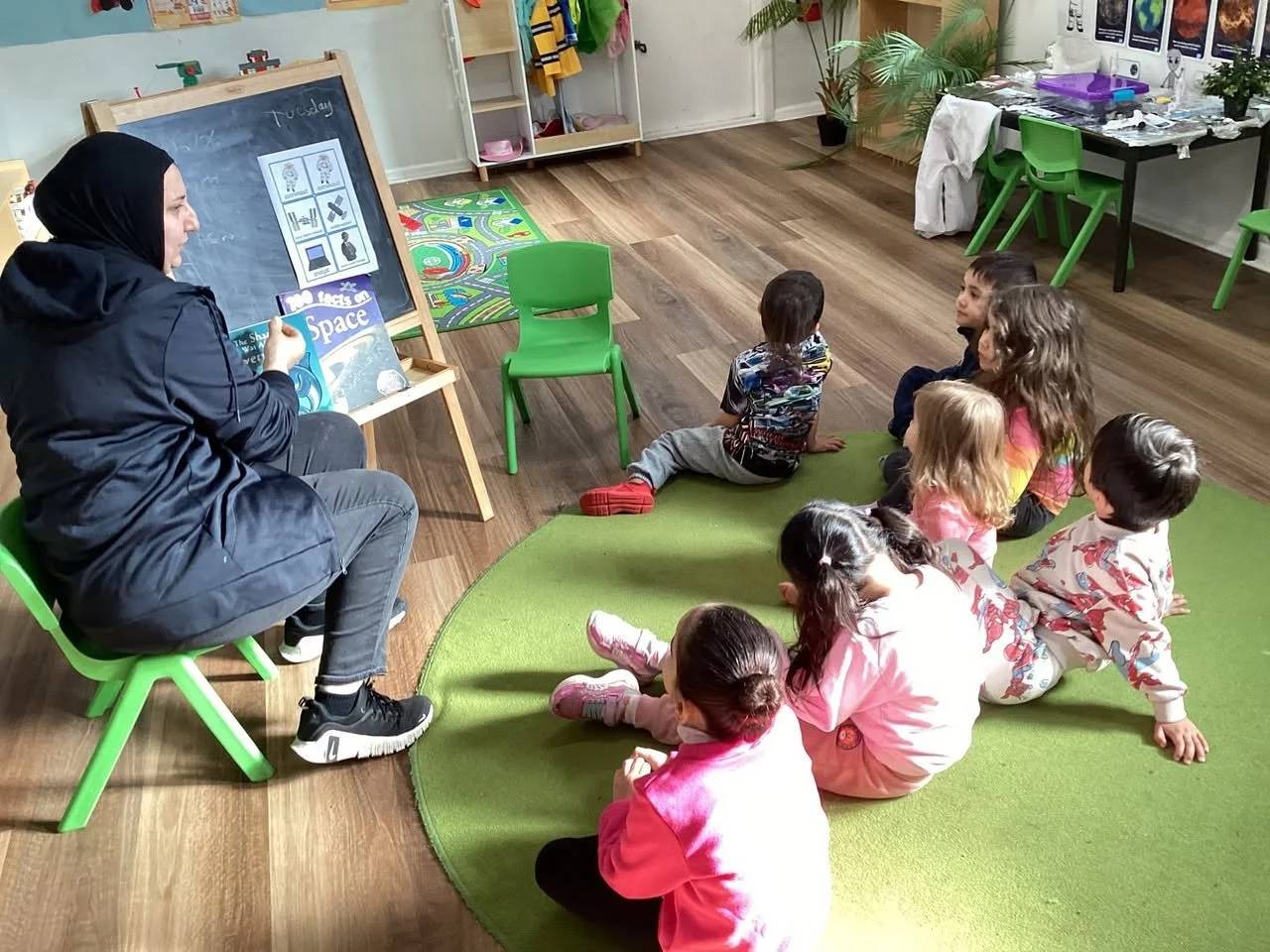
Some of the richest learning at Greystanes Preschool doesn't come from a worksheet — it comes from sounding out a letter while painting, or watching a caterpillar transform into a butterfly over the course of a few weeks. Whether it's literacy or science, our approach is the same: let children discover concepts through hands-on, sensory, and play-based experiences.
Building Early Literacy Through Letters and Sounds
Our learning program regularly focuses on specific letters, giving children a chance to build real depth and confidence rather than rushing through the whole alphabet. Recent letters of focus have included E, R, G, U, and B, explored through recognising the letters, practising their sounds, identifying beginning words, and taking part in creative activities linked to each one.
This kind of focused, repeated exposure helps children:
Build genuine letter and sound recognition — rather than surface-level memorisation
Make connections between letters and words — spotting "B" at the start of familiar words
Develop confidence — through creative, low-pressure activities rather than formal testing
Strengthen fine motor and language skills — through associated craft, writing, and drawing activities
Continuing a letter focus across multiple weeks, as we do with letter B, gives children time to really embed their understanding before moving on — building a stronger foundation than moving quickly through the whole alphabet.
Discovering Science Through Nature
Alongside literacy, children have shown strong curiosity about the natural world — particularly insects and their life cycles. Through books, discussions, art experiences, and hands-on investigations, children have explored how insects grow and change, the important role bees play in our environment, and the fascinating transformation of caterpillars into butterflies.
This kind of nature-based science learning supports children to:
Build observation skills — noticing change over time, like a caterpillar's transformation
Develop early scientific thinking — asking questions and making predictions about the natural world
Build vocabulary — learning the names and stages of a life cycle
Foster a connection to nature — and an early understanding of why insects like bees matter to our environment
Children love sharing their discoveries and observations with peers, which adds a social, collaborative element to what might otherwise be a solitary investigation.
Why Hands-On Learning Works So Well
Whether it's a letter sound or a life cycle, young children learn best when they can touch, create, and talk their way through a concept rather than simply being told about it. Linking literacy and science to creative activities — drawing a butterfly, painting a "B is for butterfly" picture, or acting out a bee's busy day — helps ideas stick far more effectively than rote learning ever could.
Extending the Learning at Home
Families can easily build on this at home — pointing out letters on signs during a walk, reading books about bugs and minibeasts, or spending time in the garden looking for insects together. These small, everyday moments reinforce exactly the kind of curious, hands-on learning we encourage at preschool.
Curious Minds, One Discovery at a Time
From letters to life cycles, our goal is the same: nurture genuine curiosity and confidence in every area of learning. If you'd like to see this hands-on approach in action, get in touch with our team — we'd love to show you around.