Creature Features: How Learning About Animals Sparks Curiosity at Greystanes Preschool
The Power of Animal Curiosity
Children are naturally drawn to animals, and that curiosity is one of the best learning tools a preschool can have. Animals give children a reason to ask questions, look closely, compare, count, describe and imagine. They also help children understand that other living things have needs and deserve care.
At Greystanes Preschool, we follow children's interest in animals and use it to build skills across literacy, numeracy, science and social learning, in line with the EYLF's focus on children being connected with and contributing to their world.
Early literacy: Animal stories, names and sounds build vocabulary, letter recognition and storytelling.
Early numeracy: Counting legs, comparing sizes and sorting animals into groups build maths thinking.
Observation skills: Watching real creatures teaches children to look closely and notice detail.
Imagination: Animal role play leads naturally into cooperative games and storytelling.
Care and empathy: Learning what animals need helps children understand responsibility.
From the Book Corner to the Garden
Animal learning at Greystanes Preschool takes many forms. Children explore native Australian animals through picture books, songs, puzzles and conversations about where kangaroos, koalas, wombats and echidnas live and what they eat. They compare Australian animals with farm animals, pets and creatures from around the world, sorting them by habitat, size or how they move.
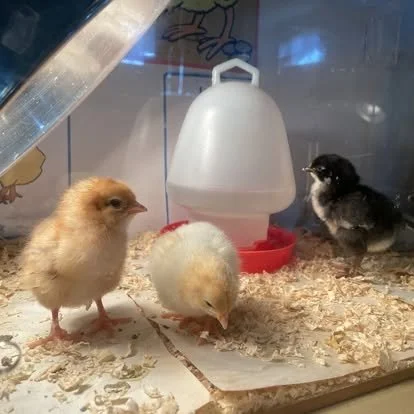
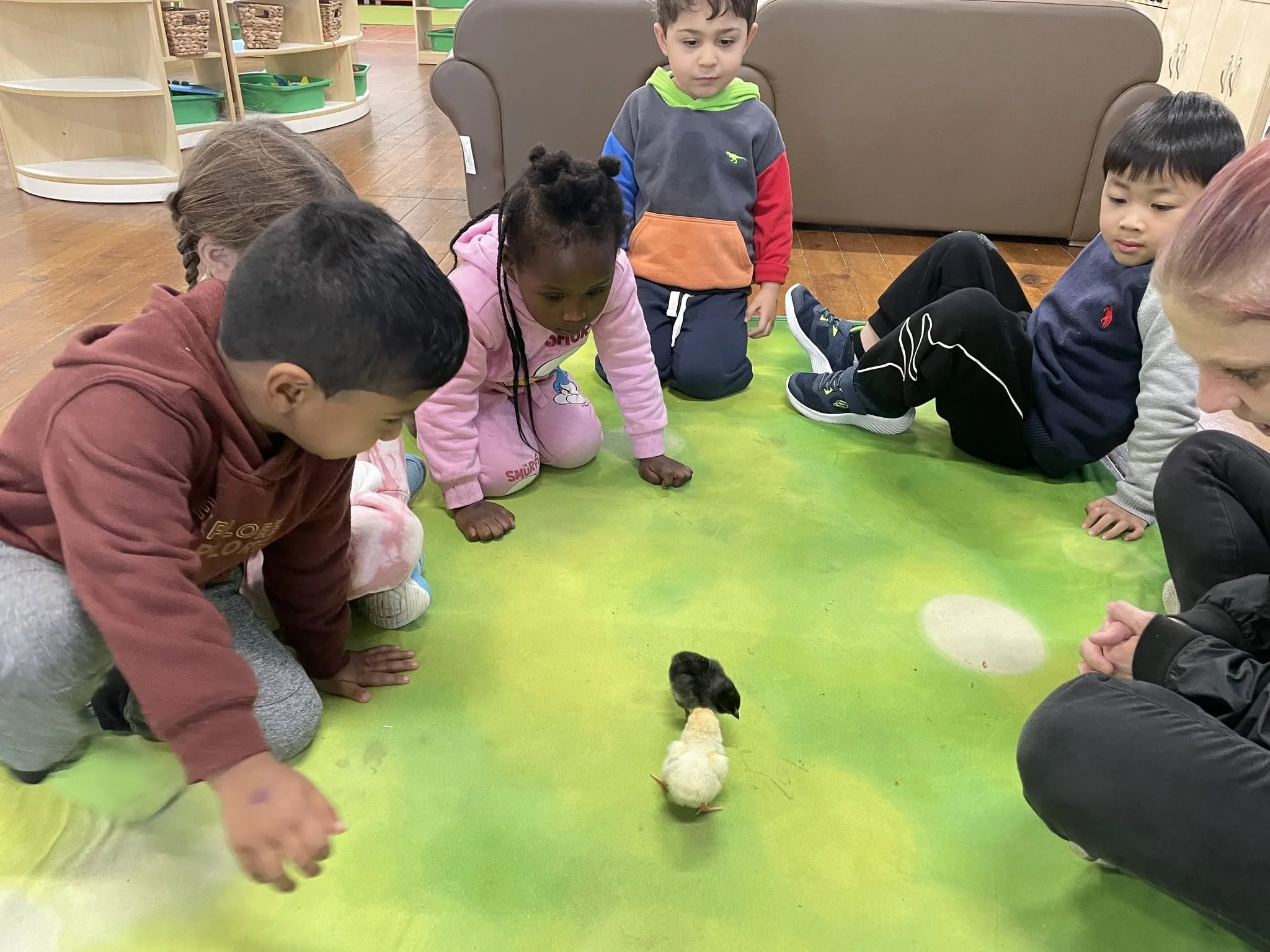
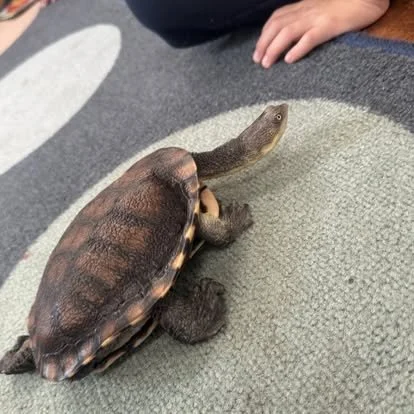
Our outdoor space offers its own animal discoveries, from birds and butterflies to worms and beetles in the garden. These real encounters often spark the richest learning, as children observe, ask questions and look for answers together with their educators.
Creative experiences bring it all together. Children paint and draw animals, build habitats with blocks and natural materials, and make simple masks or puppets to use in their play.
Movement is part of the fun as well. Hopping like a kangaroo, waddling like a duck or slithering like a snake gets children moving, laughing and building coordination, and it is a great way to burn off energy on a busy morning. Music and songs about animals add rhythm and repetition, which help children remember new words and facts.
Educators also encourage children to share what they already know, from pets at home to animals they have seen on family outings. Linking new learning to children's own lives helps it stick, and it gives every child a way to contribute to the conversation.
Building School Skills Through Animal Play
For children in their preschool year, animal themes are a natural way to practise skills they will use at school. Retelling an animal story in the right order builds early comprehension. Recognising the first sound in "kangaroo" or "koala" supports early phonics. Counting spots, legs or animals in a picture supports early numeracy.
Animal role play builds social skills too. Children take on roles, negotiate storylines and work together to bring their games to life, practising the cooperation and communication that make the move to Kindergarten smoother.
Most importantly, animal learning shows children that asking questions is a good thing. When a child wonders aloud why a bird builds a nest or how a snail moves, and an educator responds with "let's find out", that child learns that curiosity is valued. That attitude is one of the best things a child can take into their first year of school.
Animal Adventures for Families
Visit your local library together and choose a picture book about Australian animals.
Go on a backyard bug hunt and count how many creatures you find.
Play animal charades, taking turns to act out an animal for others to guess.
Visit a wildlife park or farm and talk about the animals on the way home.
Draw a favourite animal together and write its name underneath.
Little Learners, Big Questions
Learning about animals helps children grow curious, caring and confident, while building skills they will carry into the classroom. To see how we bring learning to life at Greystanes Preschool, get in touch with our team and book a tour.